

on fiber and integrity
What They Put Into Your Knitwear, and What They Strip Out of It — Both by Design.
Most luxury knitwear arrives at your skin having been blended with materials that accelerate wear, then processed with chemicals that compromise softness. We built our cotton blend around a different set of decisions.
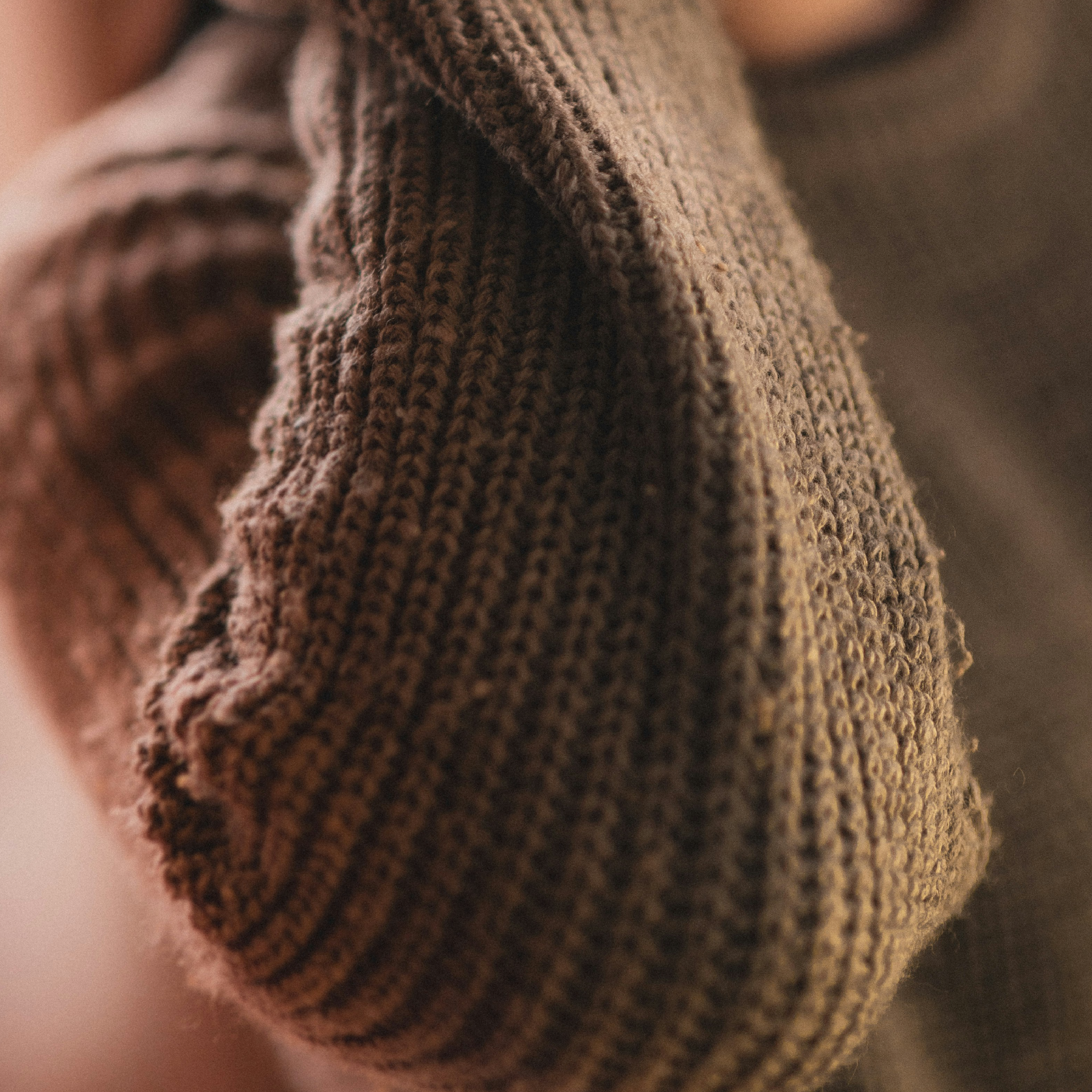
the villian
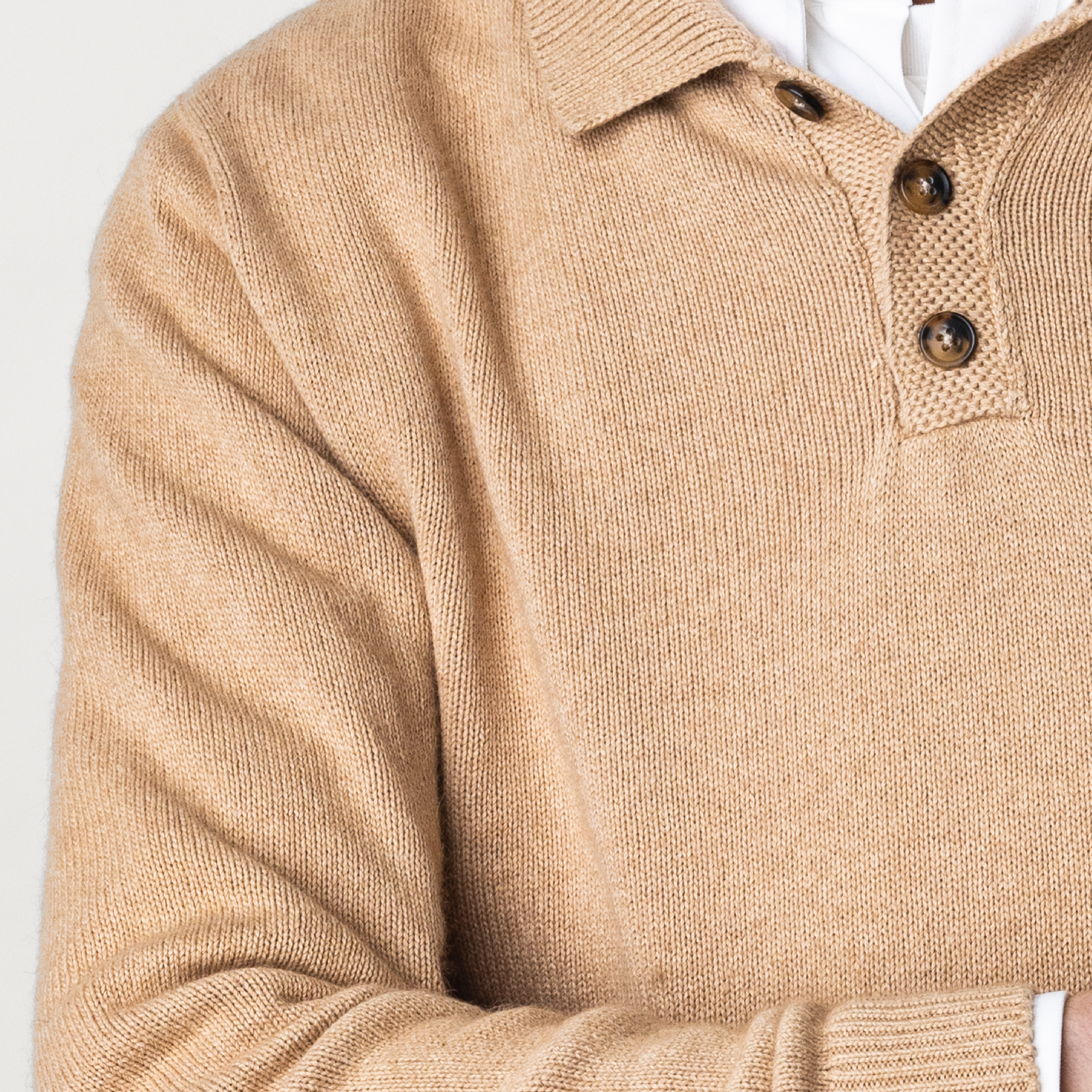
the solution
two problems —
How the Industry Compromises the Fiber Before It Reaches You
The first compromise happens at the blend stage. To protect margin, most knitwear brands introduce petroleum-based synthetics — polyester, acrylic, nylon — alongside natural fibers. On a hanger, the difference is invisible. Against the skin, it compounds with every wear. Synthetic fibers are harder and more rigid than natural ones. That rigidity creates ongoing friction at the fiber level — accelerating pilling far beyond what a pure natural blend would produce. The timeline you've come to accept as normal was set at the design stage, before the garment was ever knit.
The second compromise happens at the processing stage. To prepare fiber for high-volume machinery, the industry developed a process known as scouring — aggressive chemical baths that strip natural oils from the fiber to standardize it for production. What arrives at the mill as a soft, living material is processed into something uniform and permanently altered. The itch you've come to tolerate in fine knitwear is not a property of the fiber. It is the damage left behind after those natural properties were chemically removed.
"Two separate decisions. The same underlying logic: the economics of production taking priority over the integrity of what arrives at your skin."
The industry's response follows the same pattern for both. Pilling is accepted as normal. The itch is addressed with softening treatments after the fact — a chemical solution to a chemically-created problem. You pay more for the appearance of quality while paying for the resolution of something that never should have been compromised.
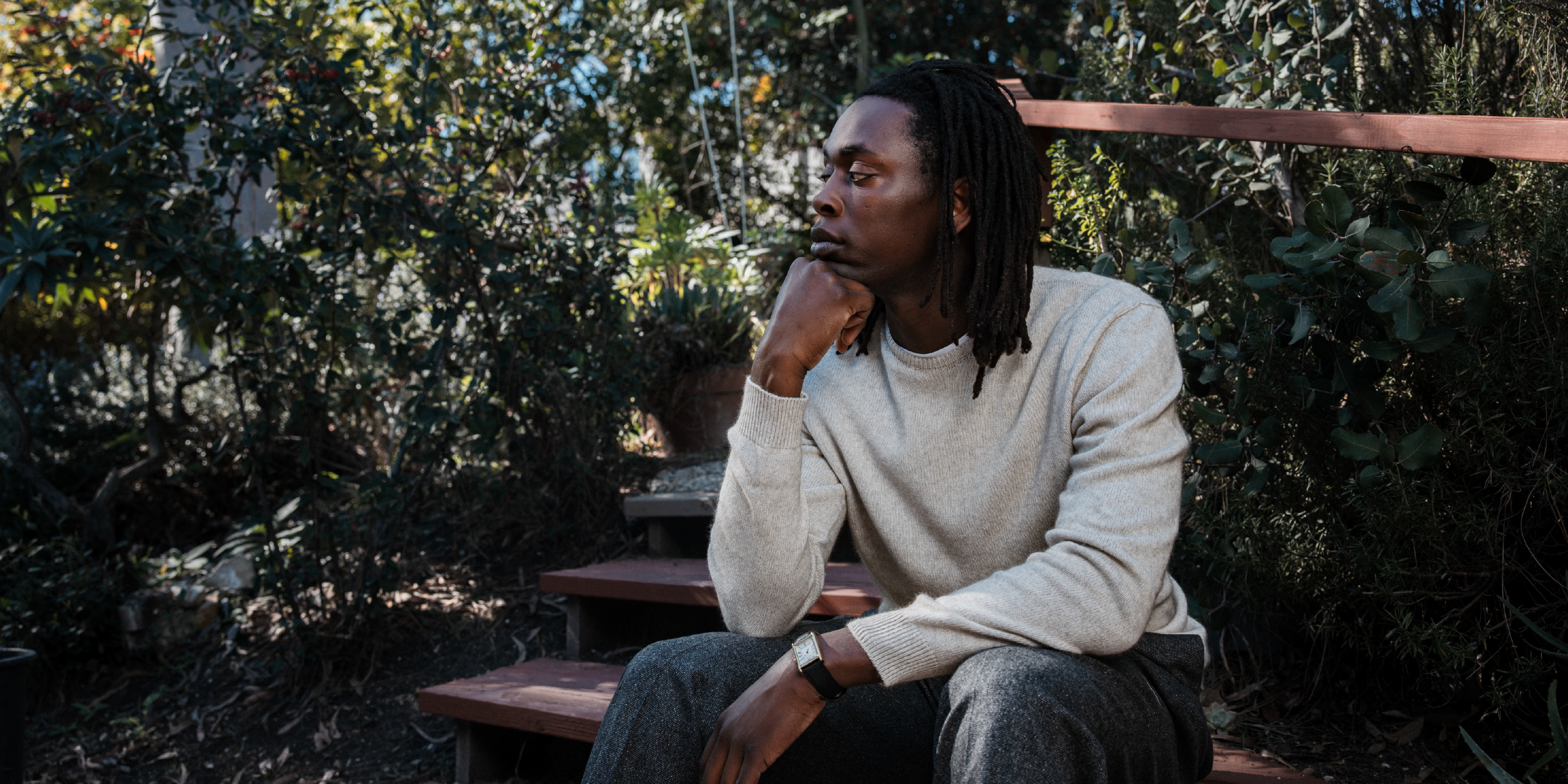
the fiber —
Our Cotton Blend: Chosen for What These Fibers Already Are
At the heart of every Èidean garment is Koomal fiber — one of the few naturally hollow-core fibers in the world, sourced from New Zealand as a by-product of conservation efforts protecting the country's native forests and birdlife. Its smooth, low-friction exterior means it moves against cotton and silk with significantly less resistance than a synthetic blend would produce. Fabrics built around it are naturally less inclined to pill — a fiber property, not a treatment.
Our approach to processing is shaped by the Tiaki Promise — a Māori principle of guardianship over land and creature. In practice, it means our blend is processed in small batches using low-impact methods that conserve the fiber's natural integrity at every stage. No aggressive scouring. No borrowed softness applied after the fact. What you feel from the first wear is what these fibers already were — before the industry got involved.
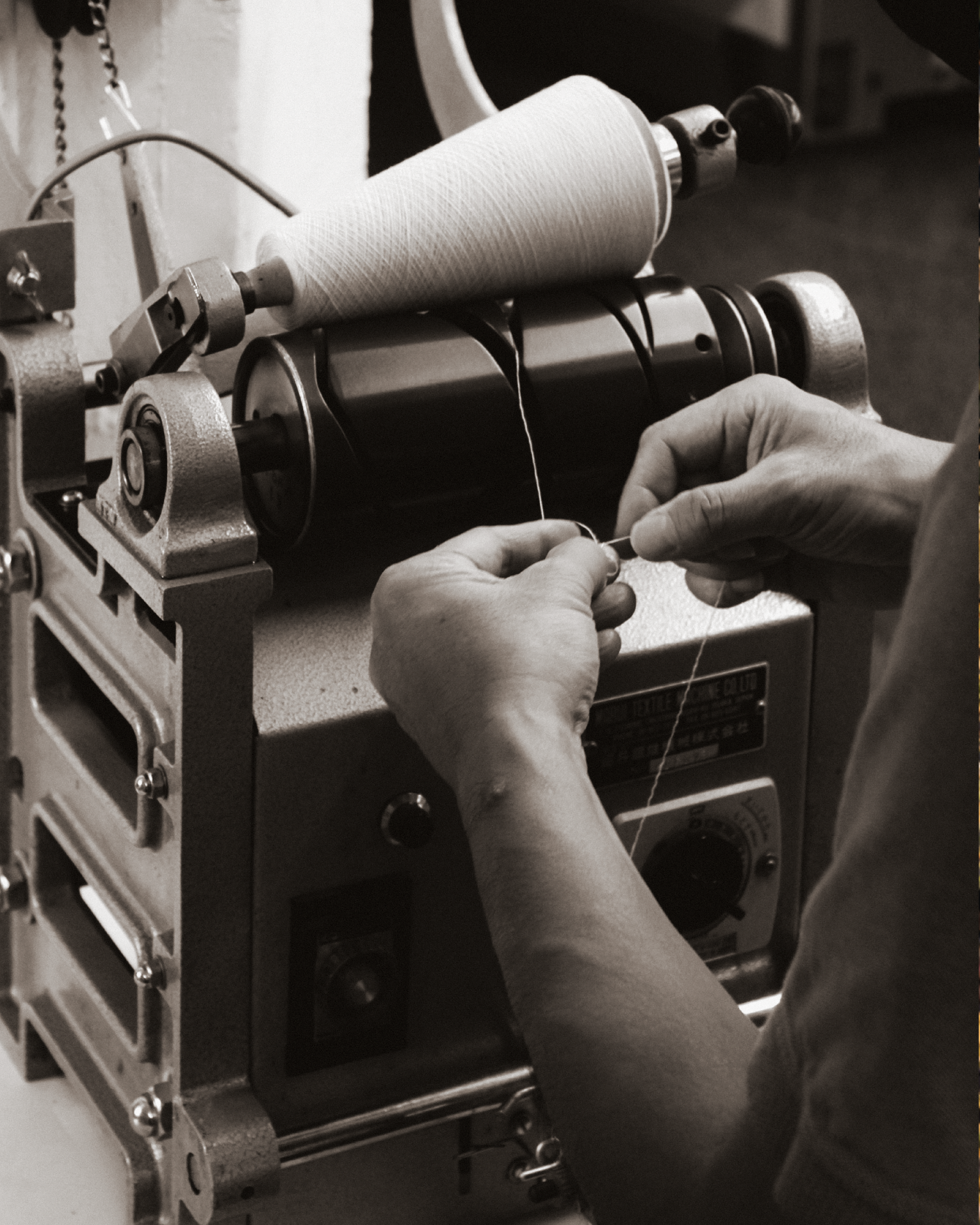
"three fibers chosen because they are compatible with one another, processed in a way that leaves them intact, and put together with no material whose purpose is to reduce cost."
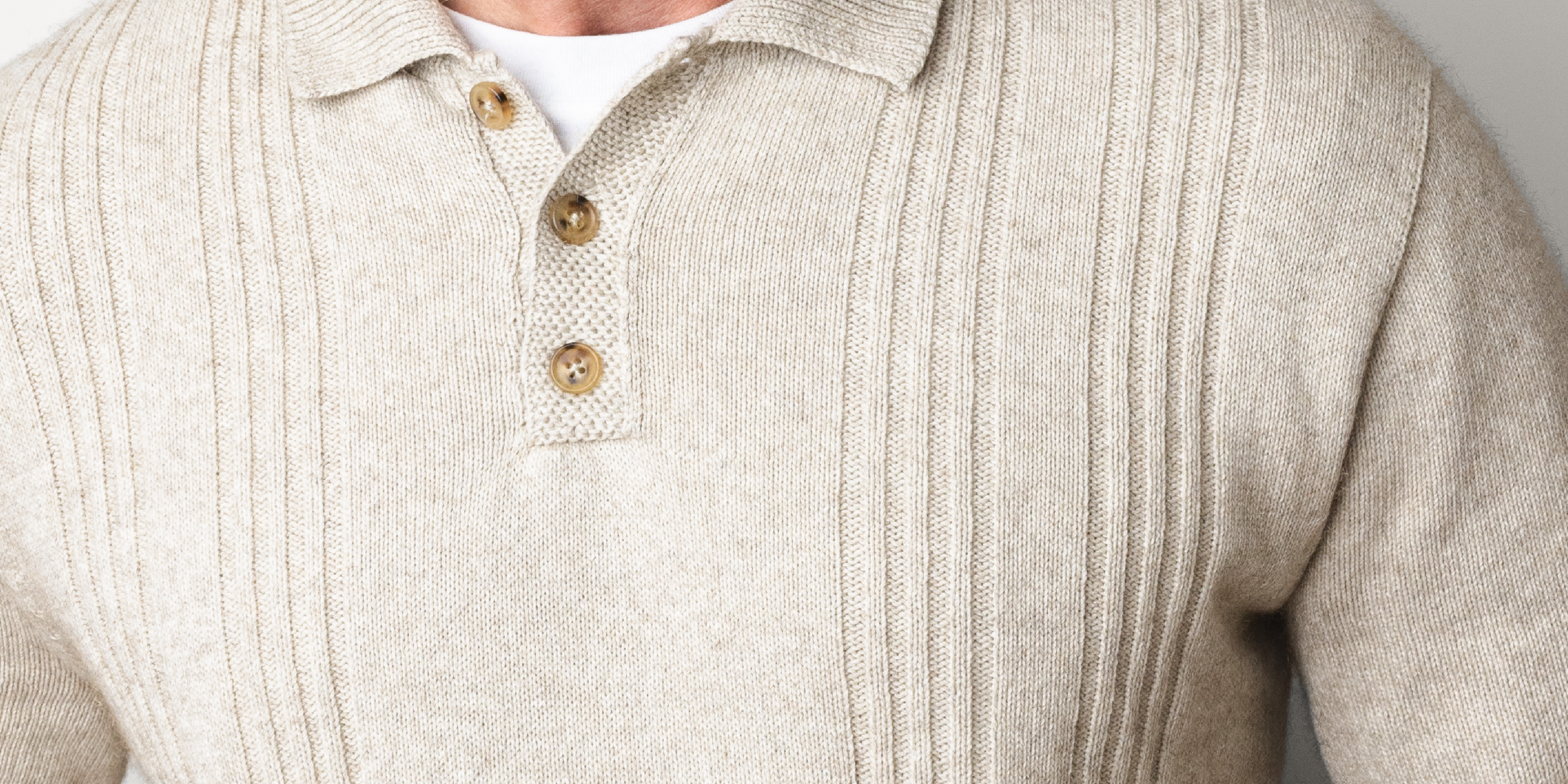
70% Australian Cotton for structure and breathability. 20% Mulberry Silk for surface smoothness and a natural low-friction finish. 10% Koomal fiber for its hollow-core insulation and natural resistance to surface wear. Each earns its place. None of them are there to reduce cost.
the industry default
SYNTHETIC BLENDS & CHEMICAL PROCESSING
Petroleum-based fibers added to reduce cost accelerate pilling. Aggressive scouring strips the fiber's natural softness. Two compromises applied to the same garment — both cost-motivated, both felt by the person wearing it.
the Èidean specification
OUR COTTON BLEND & TIAKI PROMISE
Three all-natural fibers chosen for compatibility. Koomal's hollow-core structure reduces friction. Small-batch, low-impact processing preserves what the fiber already has. Nothing added that shouldn't be. Nothing removed that should stay.
70%
australian cotton
20%
MULBERRY SILK
10%
KOOMAL FIBER
The yarn meets Toitū Envirocare Gold certification and EU REACh standards — independently audited, with no harmful chemical substances present at any stage of production. Every Èidean garment is then knit to order as a single, seamless structure in Brooklyn, so the integrity of the fiber carries through to the finished piece without compromise.
MADE TO ORDER IN BROOKLYN • YARN SPUN IN NEW ZEALAND
A BLEND THAT STARTS WITH NOTHING ADDED AND NOTHING REMOVED
Three natural fibers. Processed with care. Soft from the first wear. Built to last longer than a season.